 English
 Romanian
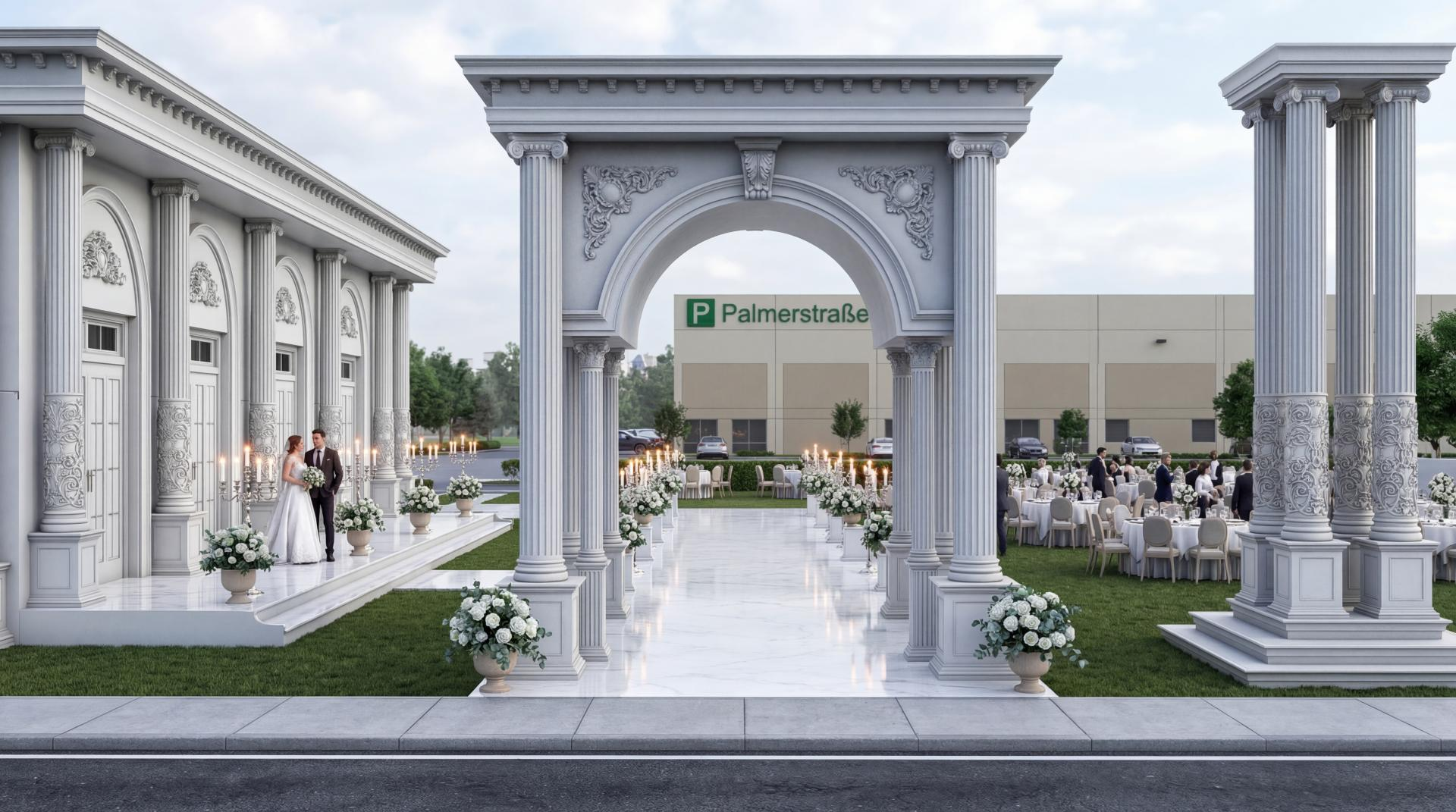
Tokat Gurme wedding hall exterior decoration
In the Tokat Gürme Wedding Hall project we modeled the halls architectural design in 3D prepared high-quality renderings and produced all polyurethane decorative products used in the project in our own facilities We managed the design and production process end-to-end offering aesthetic durable and custom-sized solutions
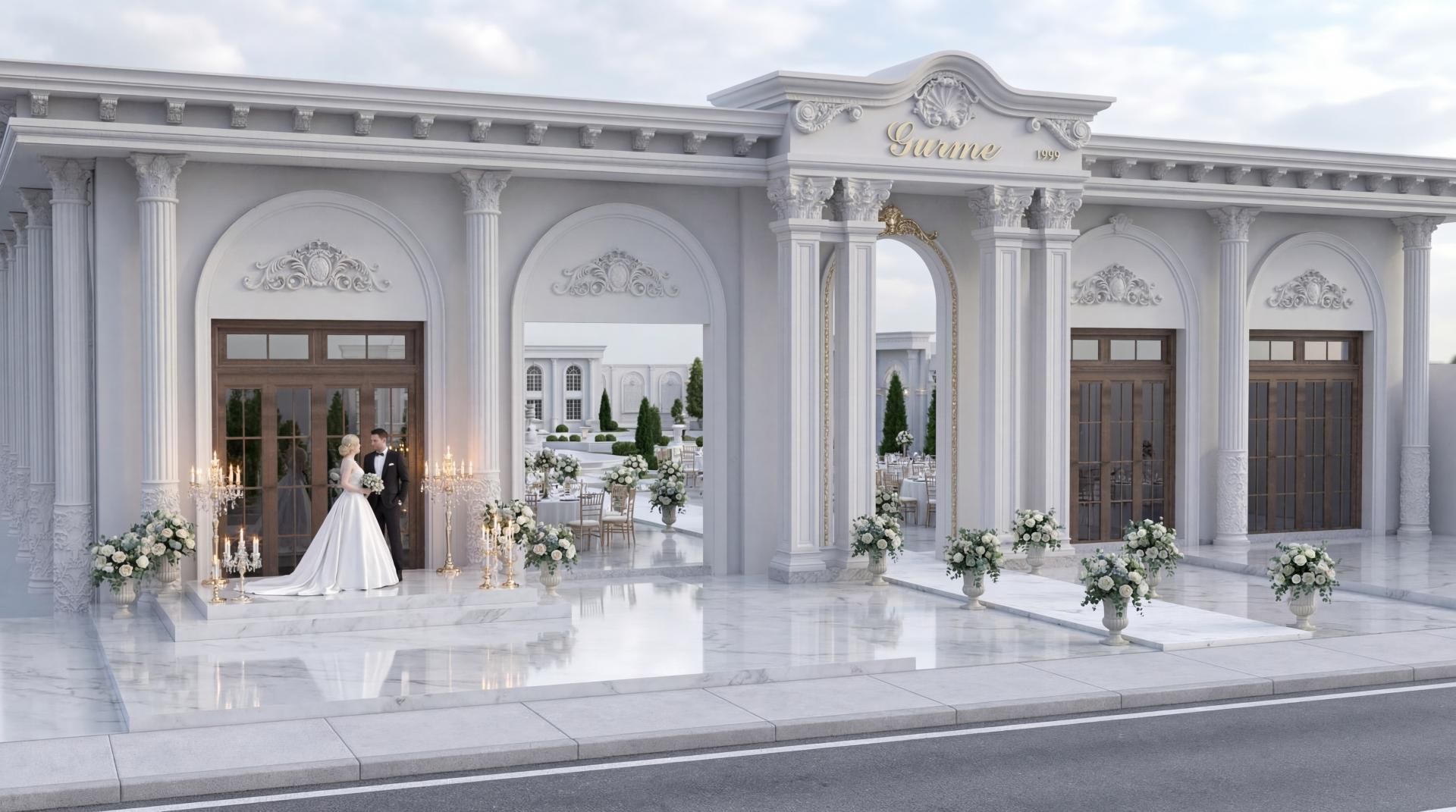
Tokat Gurme wedding hall exterior decoration
In the Tokat Gürme Wedding Hall project we modeled the halls architectural design in 3D prepared high-quality renderings and produced all polyurethane decorative products used in the project in our own facilities We managed the design and production process end-to-end offering aesthetic durable and custom-sized solutions

Projects Designed with Polure's Aesthetic Glass Jamb Combinations Unique Solutions in Elegance and Functionality
Polure offers stylish and functional solutions with aesthetic glass jamb combinations in the projects shared on its website. Glass and jamb elements are expertly brought together to give spaces a unique look. Visit the website and discover the difference between glass jamb combinations.
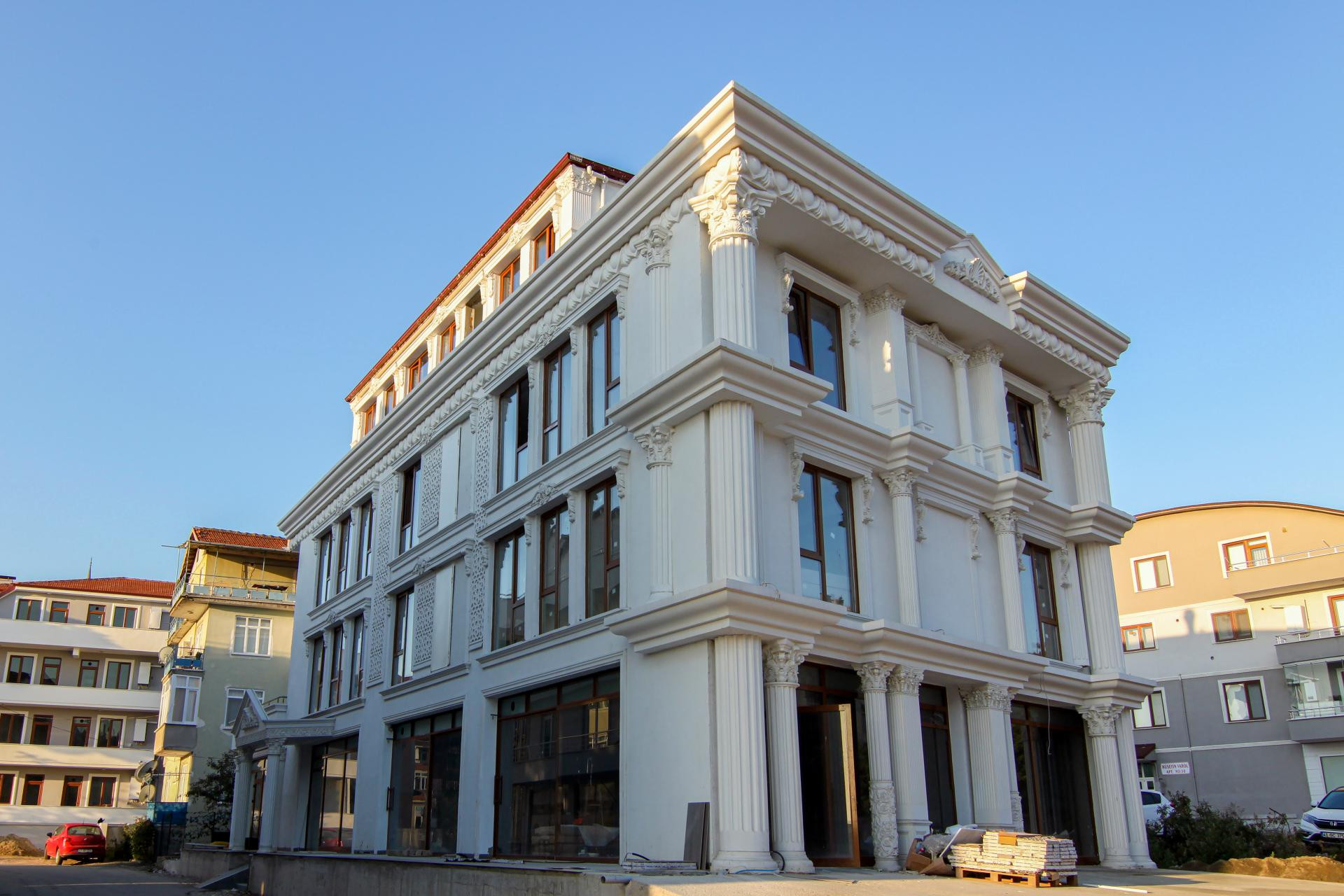
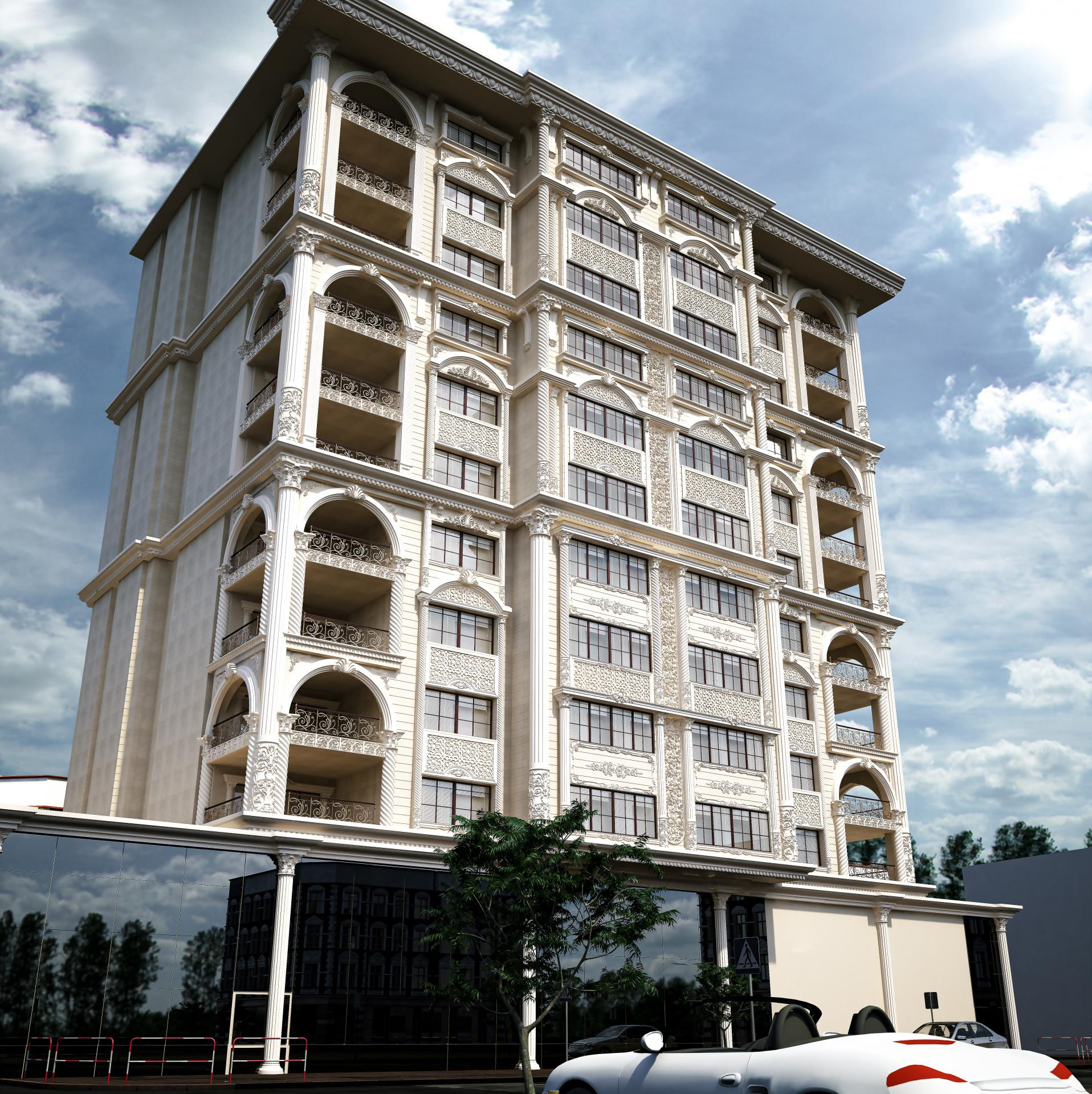
Hotel Exterior Design Impress Your Guests With An Iconic Look
Hotel façade design is a critical element that reflects a hotel's identity and leaves an unforgettable impression on guests. In this article, you'll explore the importance of hotel façade design and the factors you need to consider in order to achieve an impressive look. With the strategic use of colors and materials, your hotel can accentuate its character with a contemporary or classic style. You can impress your guests The skillful use of architectural details makes your hotel have an iconic charm. You can also perfect the appearance of your hotel day and night with the right lighting techniques. Green areas integrated into the exterior add a natural beauty and spaciousness to your hotel. We will cover topics such as materials, lighting, green areas in detail We will help you create an unforgettable look on the exterior of your hotel by providing examples and practical tips that will inspire you.

Hotel Exterior Cladding designs
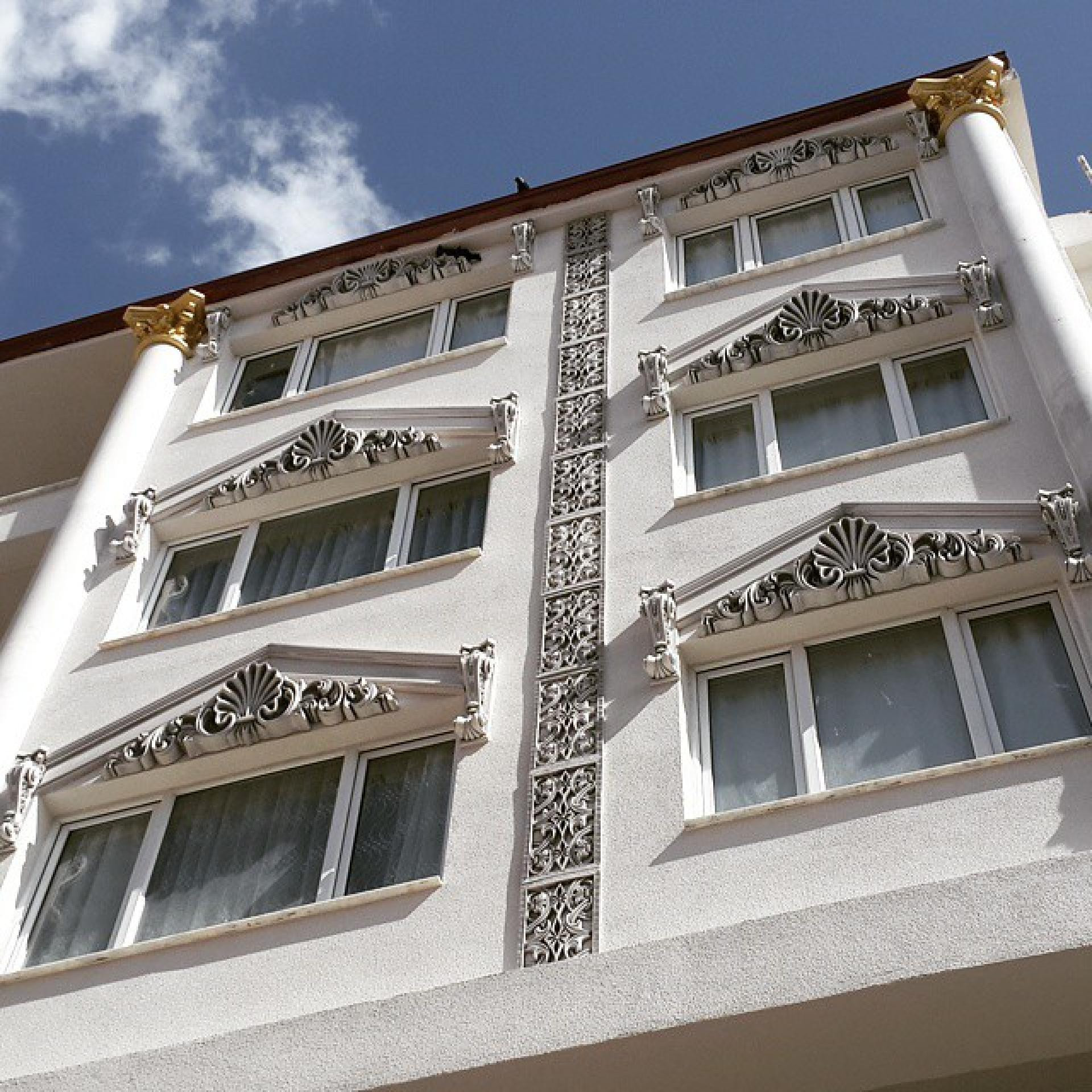
Take a look at our gallery where you will see modern, stylish and rich quality images of Polure brand products and get ideas and inspirations in the designs of hotel exterior decoration models Polyurethane jamb decorations are alternative products to precast coatings. Polyurethane exterior decoration models, which offer stylish and practical solutions in a short time, save your time. We will offer you a richer product range with new window jamb and crown models, new floor moldings and column capitals, which we will manufacture very soon.
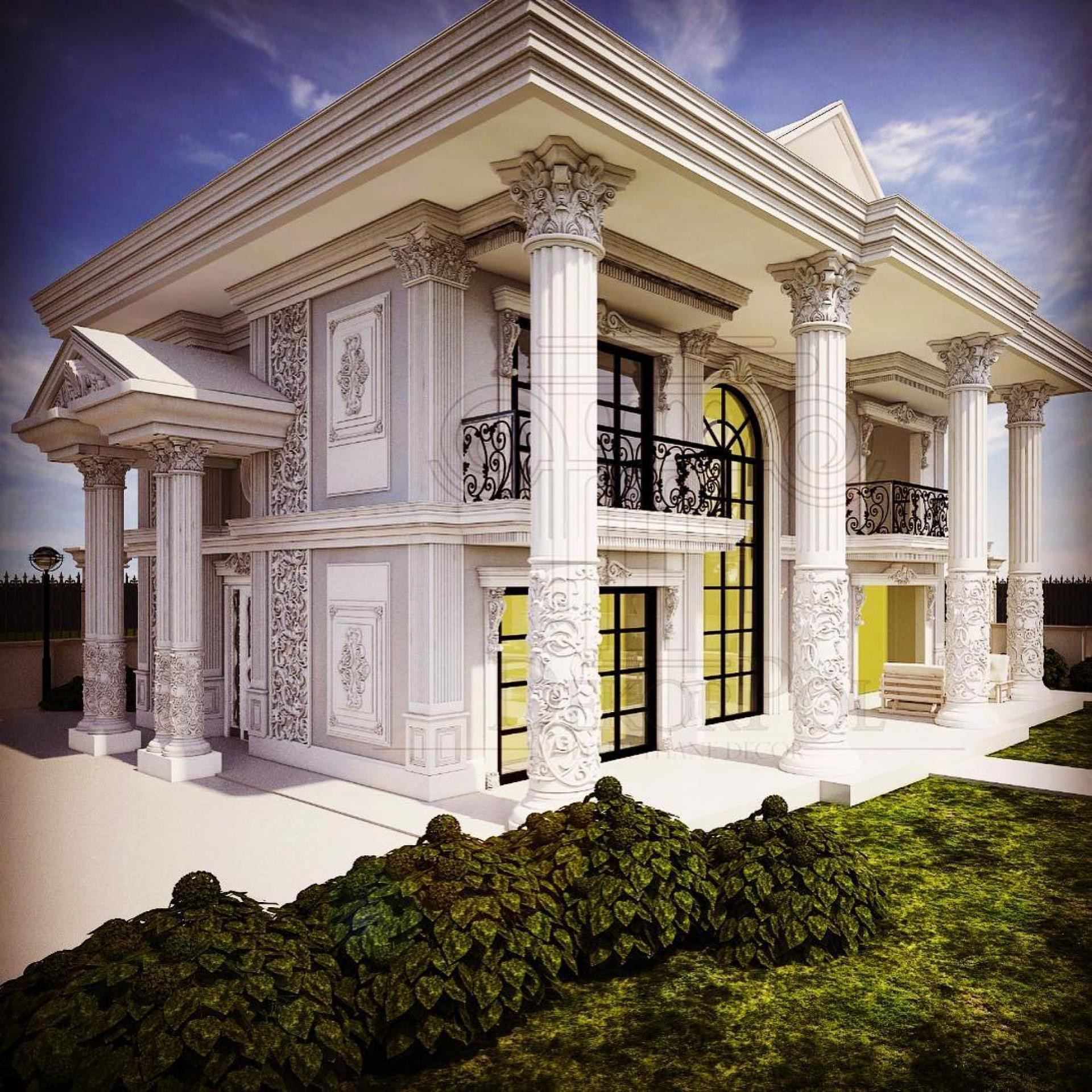

Villa Exterior Design Wonderful Decoration Ideas in Aesthetics and Functionality
Villa exterior design is an important element that reflects the character of your home and fascinates those around you. In this article, you will discover many decoration ideas to achieve the perfect balance between aesthetics and functionality in villa exterior design. You can personalize your villa with facade details and create an eye-catching effect. Natural lighting, outdoor use, elements such as green areas and terraces offer great ideas to complement your exterior design. Villa exterior design decoration ideas, which are the keywords in this article, aesthetic functionality, colors, materials, doors, windows, facade details, natural lighting We will cover topics such as outdoor use in detail We will provide you with examples and tips to inspire you, and provide practical solutions to give your home an unforgettable exterior look. If you want to create a unique style on the exterior of your own villa, you can evaluate the information in this article.
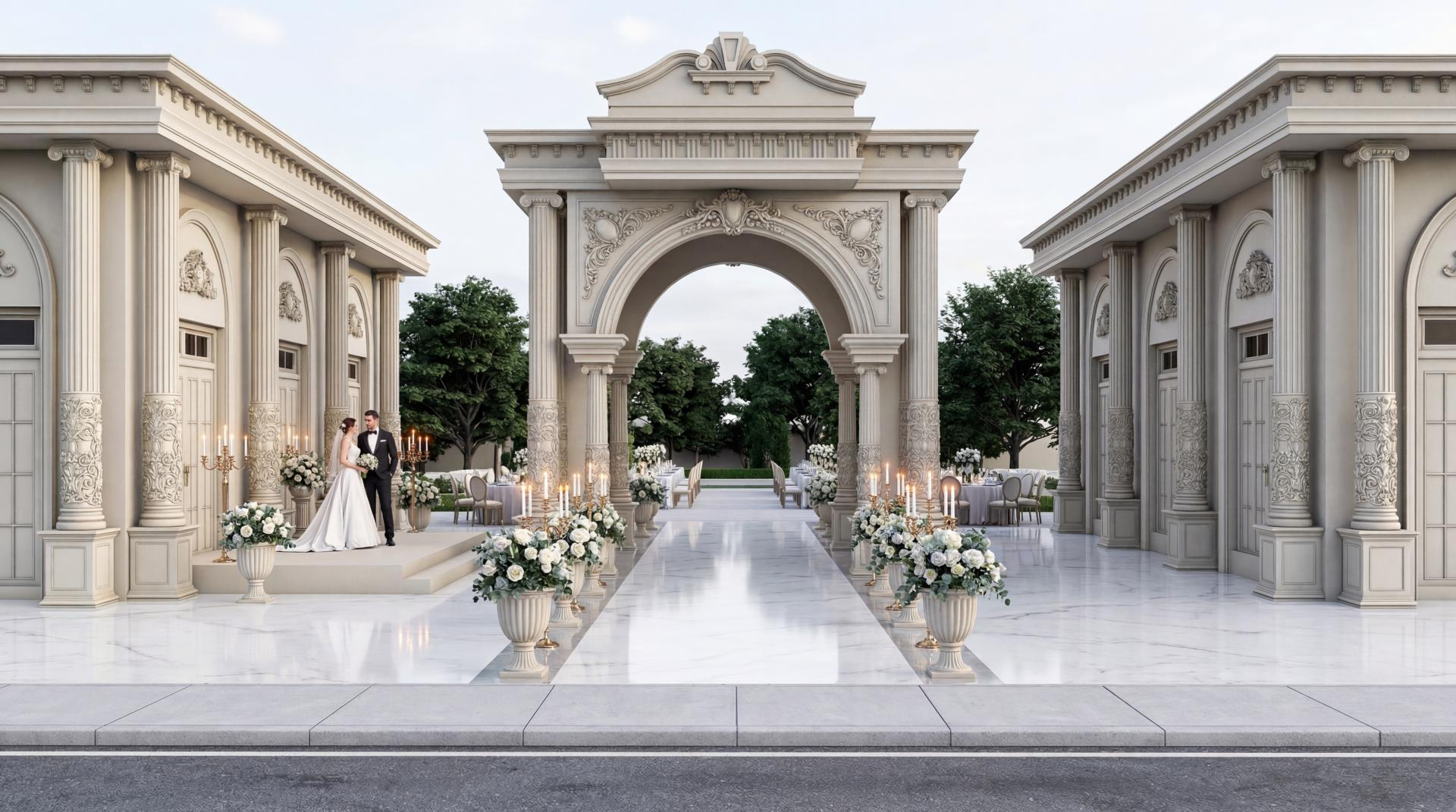
Tokat Gurme wedding hall exterior decoration
In the Tokat Gürme Wedding Hall project we modeled the halls architectural design in 3D prepared high-quality renderings and produced all polyurethane decorative products used in the project in our own facilities We managed the design and production process end-to-end offering aesthetic durable and custom-sized solutions
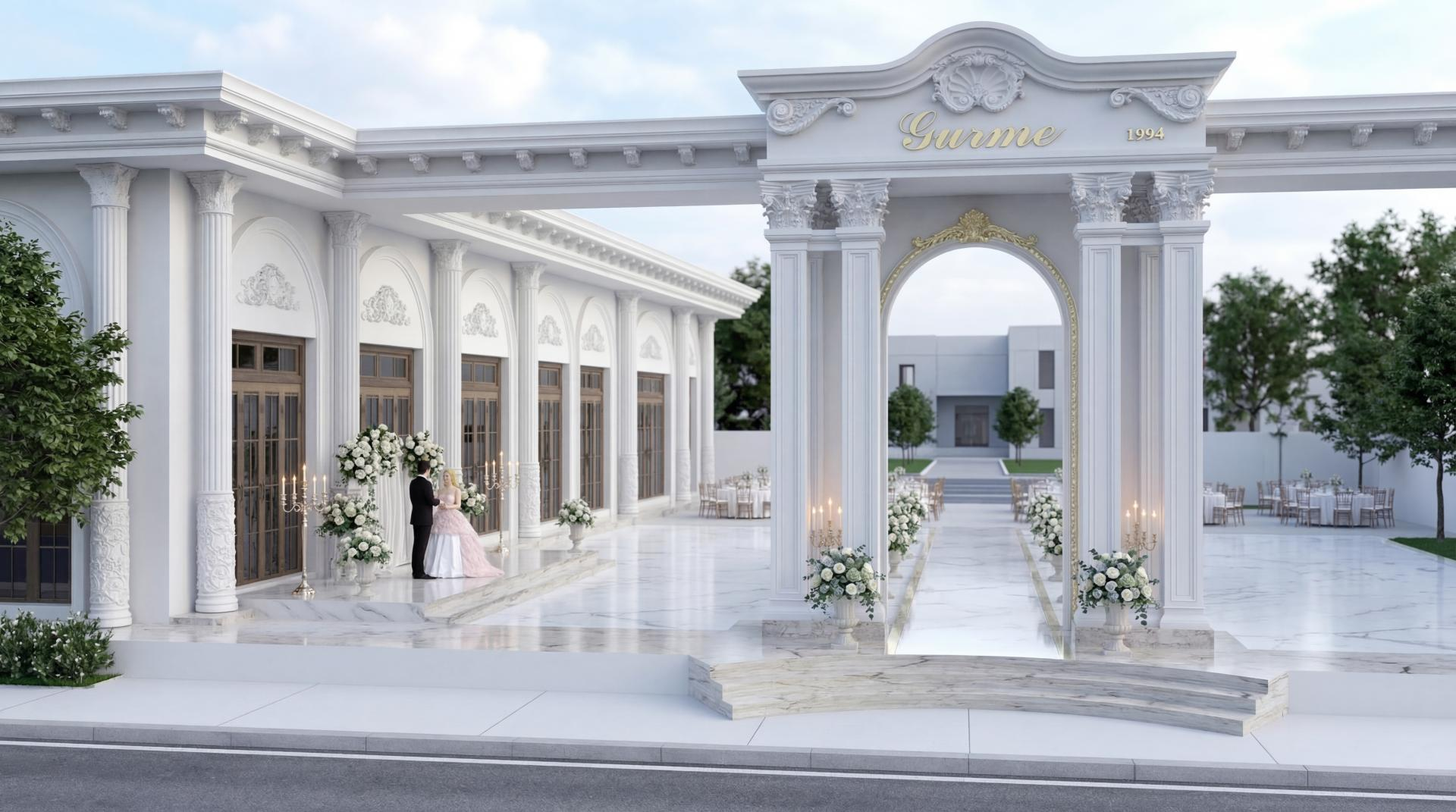
Tokat Gurme wedding hall exterior decoration
In the Tokat Gürme Wedding Hall project we modeled the halls architectural design in 3D prepared high-quality renderings and produced all polyurethane decorative products used in the project in our own facilities We managed the design and production process end-to-end offering aesthetic durable and custom-sized solutions
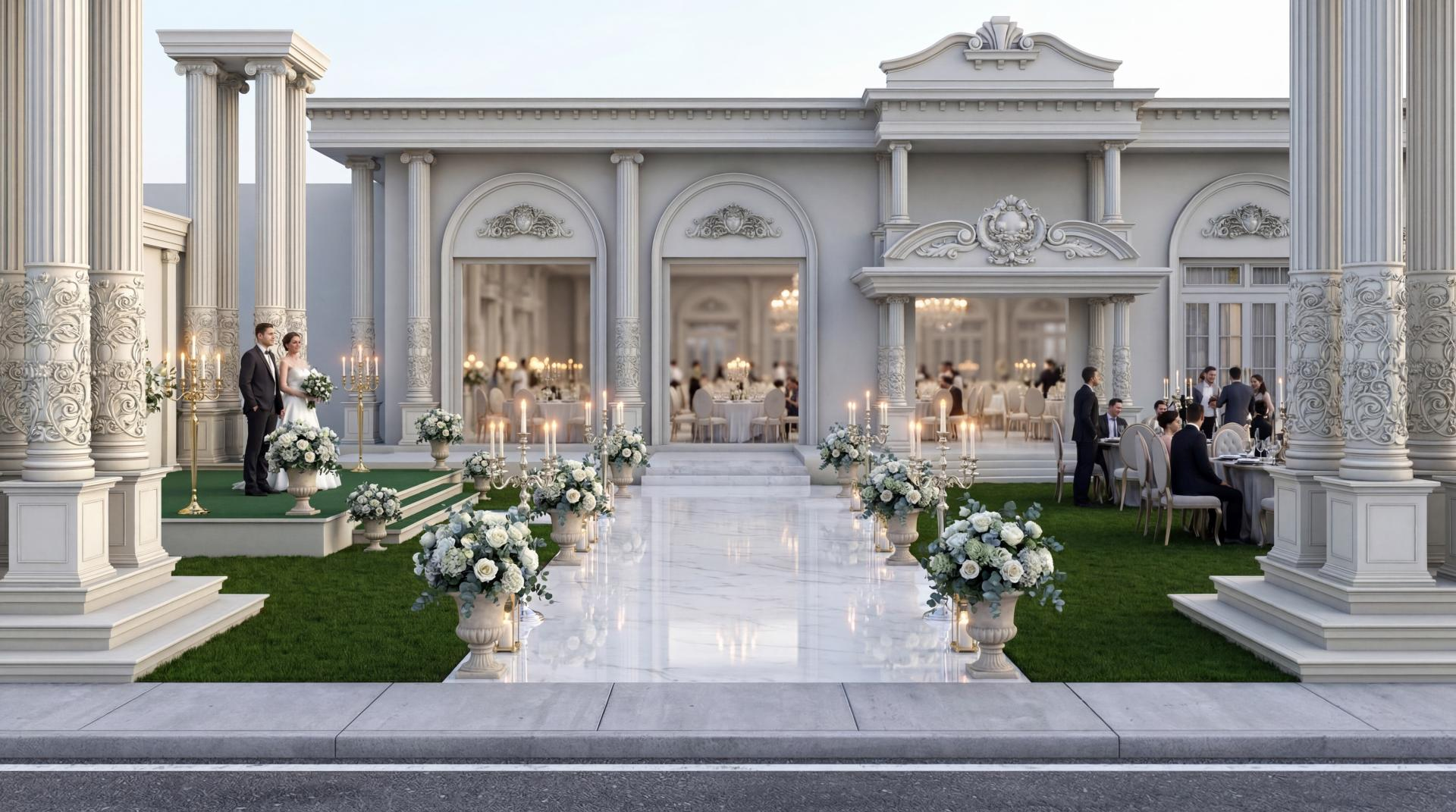
Tokat Gurme wedding hall exterior decoration
In the Tokat Gürme Wedding Hall project we modeled the halls architectural design in 3D prepared high-quality renderings and produced all polyurethane decorative products used in the project in our own facilities We managed the design and production process end-to-end offering aesthetic durable and custom-sized solutions
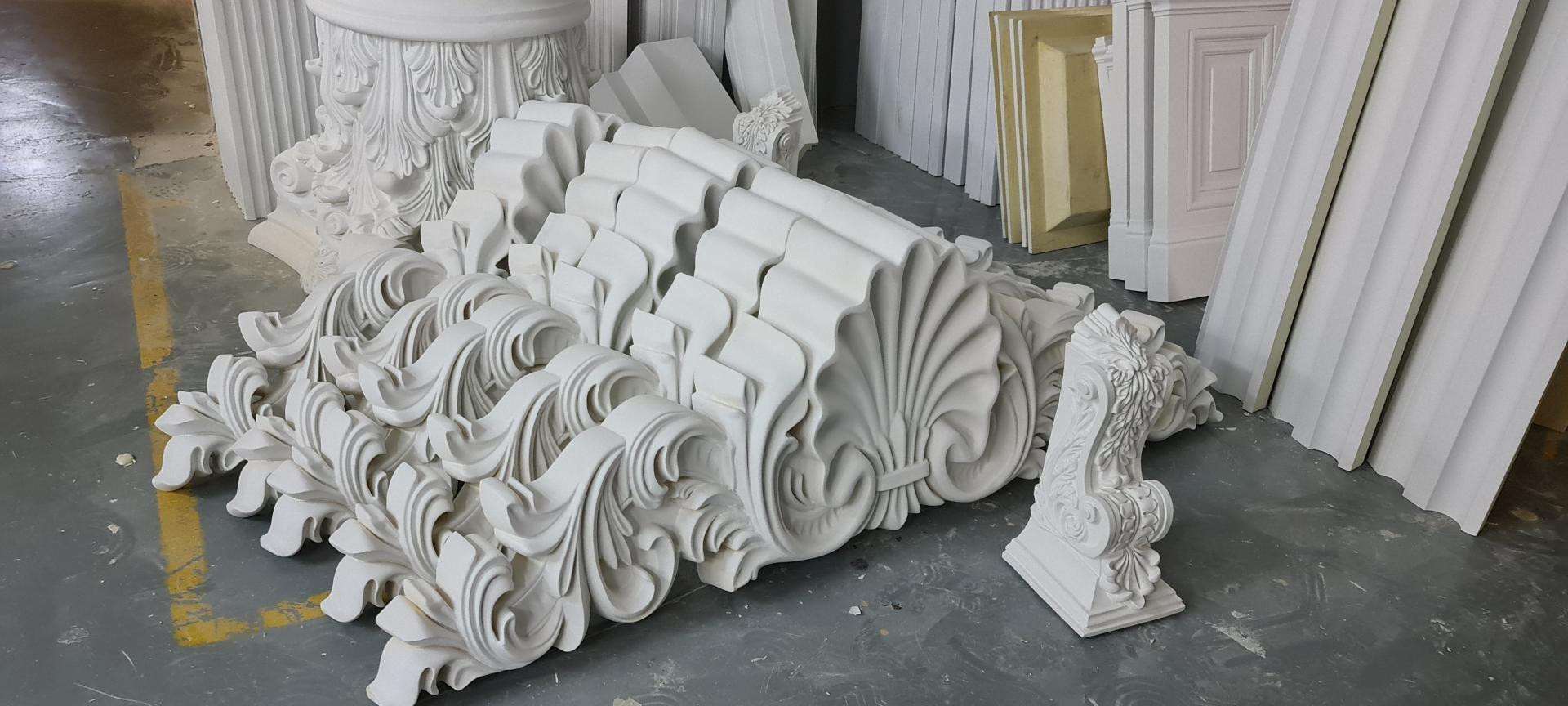
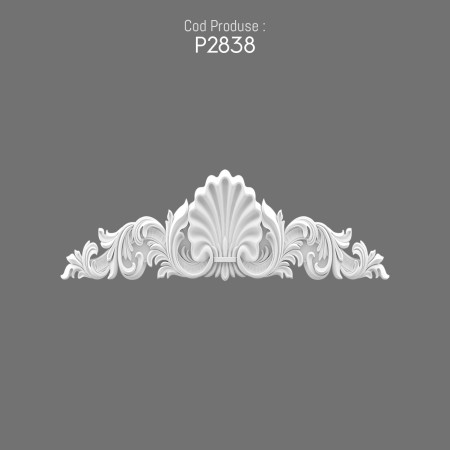
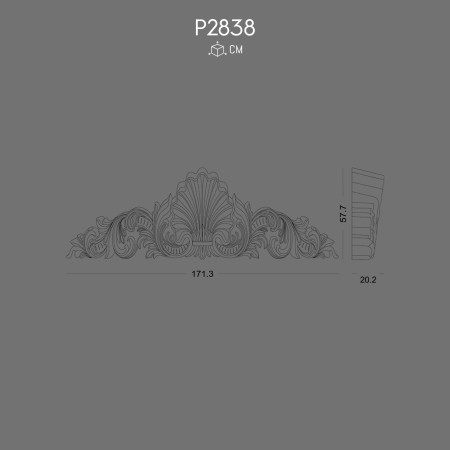
Decorative Polyurethane Crown: Production, Benefits, Applications
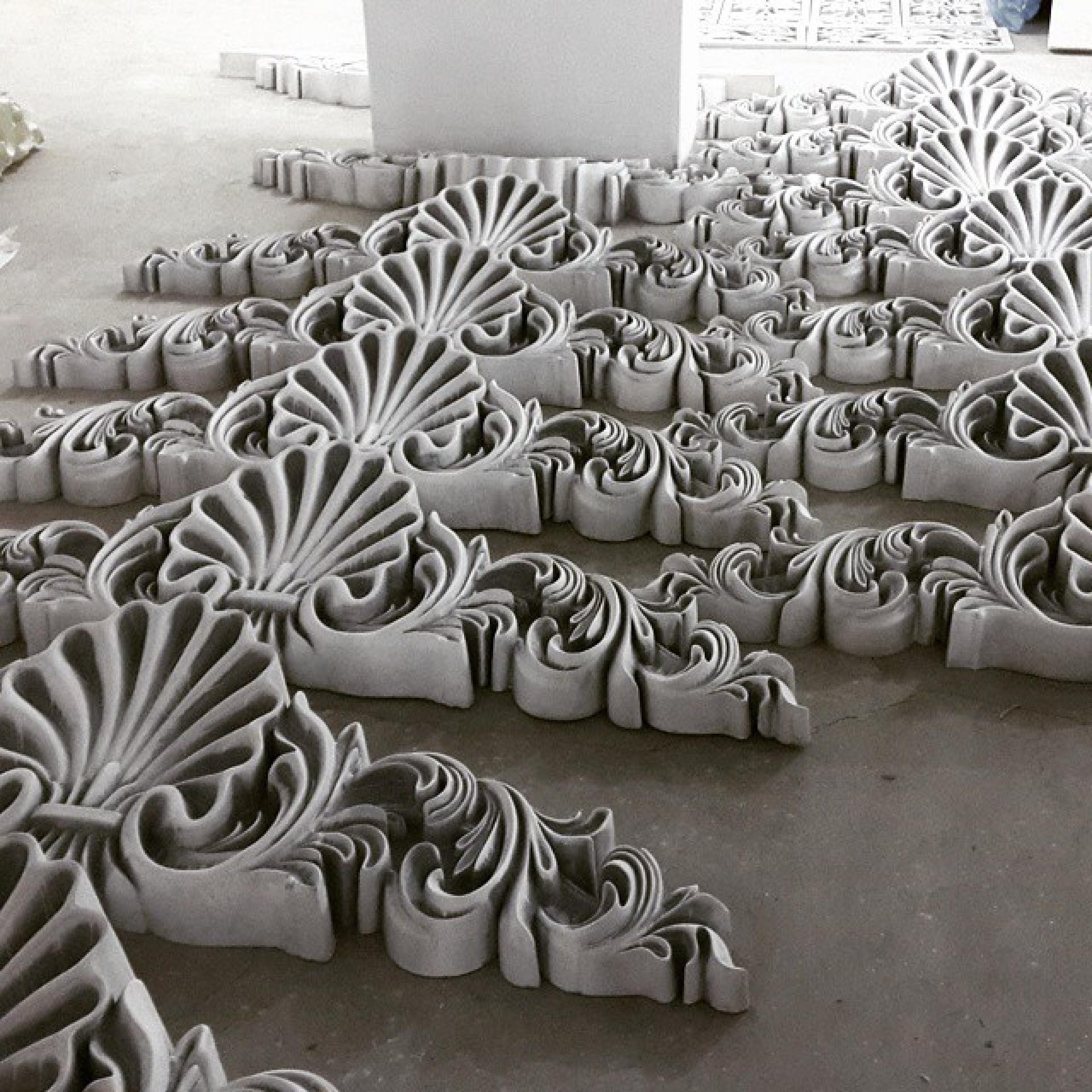
Polyurethane pole production: Production of the decorative polyurethane crown for the pediment Polyurethane poles have become increasingly popular in the construction industry due to their versatility, durability, and cost-effectiveness. These poles are commonly used for various applications, such as decorative crowns for pediments. In this article, we will explore the production process of the decorative polyurethane crown for the pediment, highlighting its benefits and applications. The production of the decorative polyurethane crown for the pediment involves several stages, starting with the design and mold creation. Skilled designers create intricate and detailed designs using computer-aided design (CAD) software. Once the design is finalized, a mold is created using high-quality materials, such as silicone or polyurethane rubber. The mold is carefully crafted to ensure accurate reproduction of the design. The next step in the production process is the preparation of the polyurethane mixture. Polyurethane is a versatile material that can be molded into various shapes and sizes. It is made by combining two main components - polyol and isocyanate. These components are mixed together in specific ratios to achieve the desired physical properties of the final product. The mixture is then poured into the mold, which is carefully sealed to prevent any leakage. Once the polyurethane mixture is poured into the mold, it is left to cure. Curing is a crucial step in the production process as it allows the polyurethane to solidify and take the shape of the mold. The curing time can vary depending on the size and complexity of the crown. After the curing process is complete, the mold is opened, and the newly formed polyurethane crown is carefully removed. The decorative polyurethane crown can now undergo various finishing processes to enhance its appearance and durability. These processes may include sanding, painting, and applying a protective coating. Sanding helps to smooth out any imperfections on the surface of the crown, ensuring a flawless finish. Painting can be done in a wide range of colors, allowing for customization to match the aesthetic requirements of the project. Finally, a protective coating is applied to protect the crown from weathering and UV damage, ensuring its longevity. The decorative polyurethane crown for the pediment offers numerous benefits over traditional materials such as wood or plaster. Firstly, polyurethane is highly resistant to moisture, rot, and insect damage, making it an ideal choice for exterior applications. It is also lightweight, making it easier to handle and install. Additionally, polyurethane is a cost-effective option as it requires minimal maintenance and has a long lifespan. The applications of the decorative polyurethane crown are vast. It can be used in various architectural styles, ranging from classic to contemporary. The intricate designs and details add a touch of elegance and grandeur to any building facade. The crown can be installed on pediments, archways, or any other architectural feature that requires a decorative element. It is a versatile product that can be customized to suit individual project requirements. In conclusion, the production of the decorative polyurethane crown for the pediment involves a meticulous process from design to finishing. The use of polyurethane offers numerous benefits, including durability, versatility, and cost-effectiveness. Its applications are vast, making it a popular choice among architects and builders. With its ability to replicate intricate designs and withstand harsh weather conditions, the decorative polyurethane crown is a perfect addition to any architectural project.
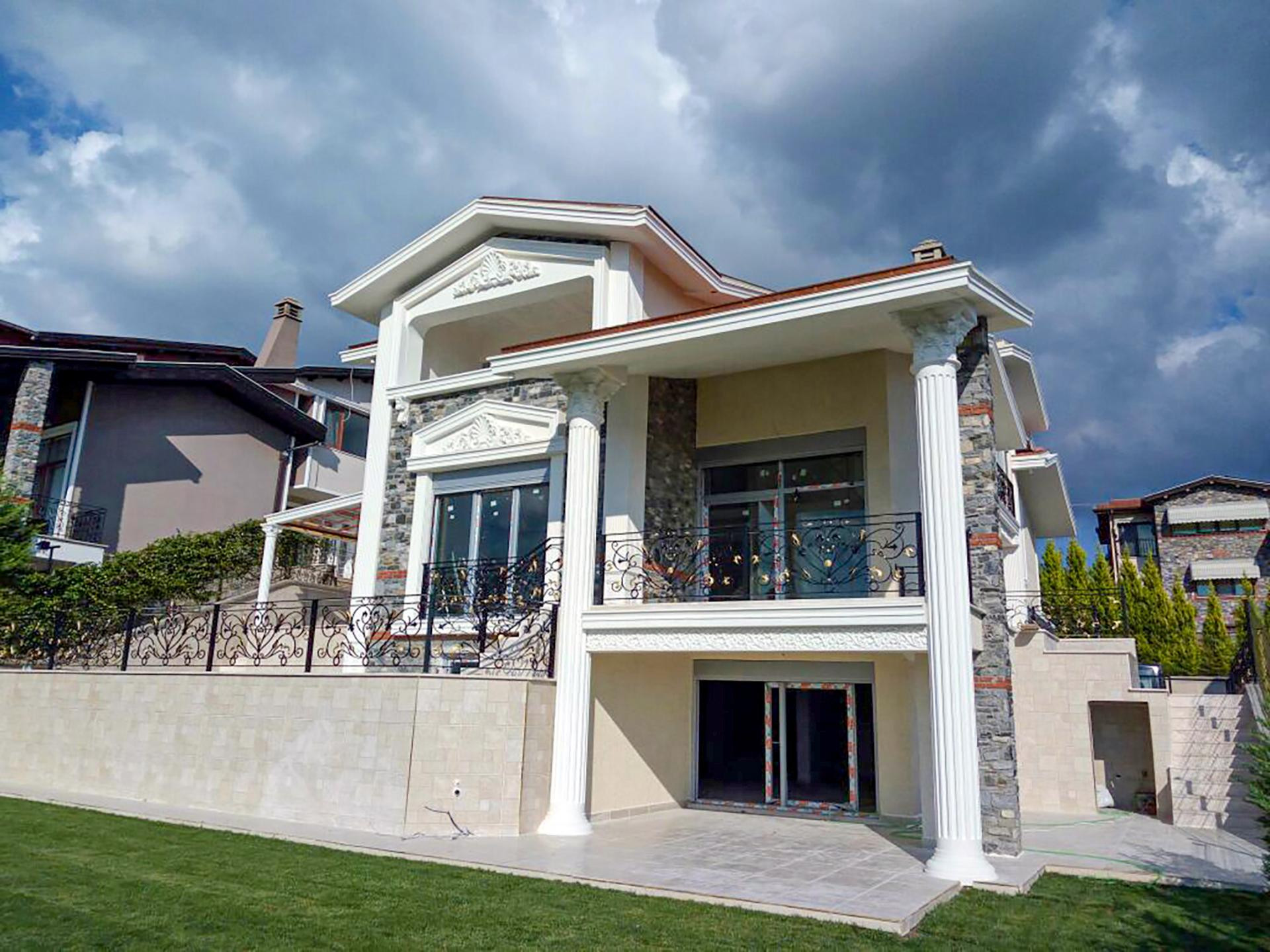
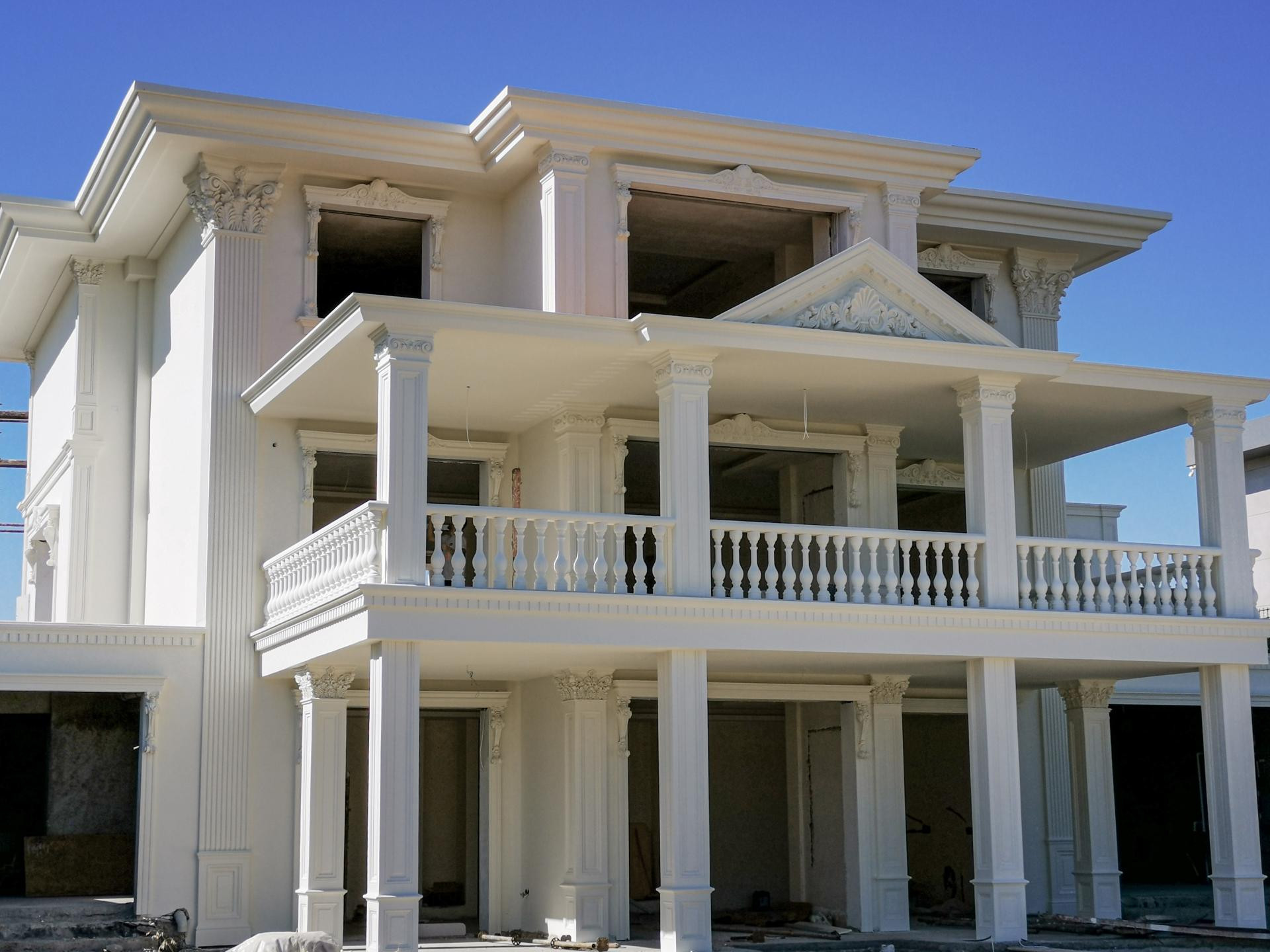
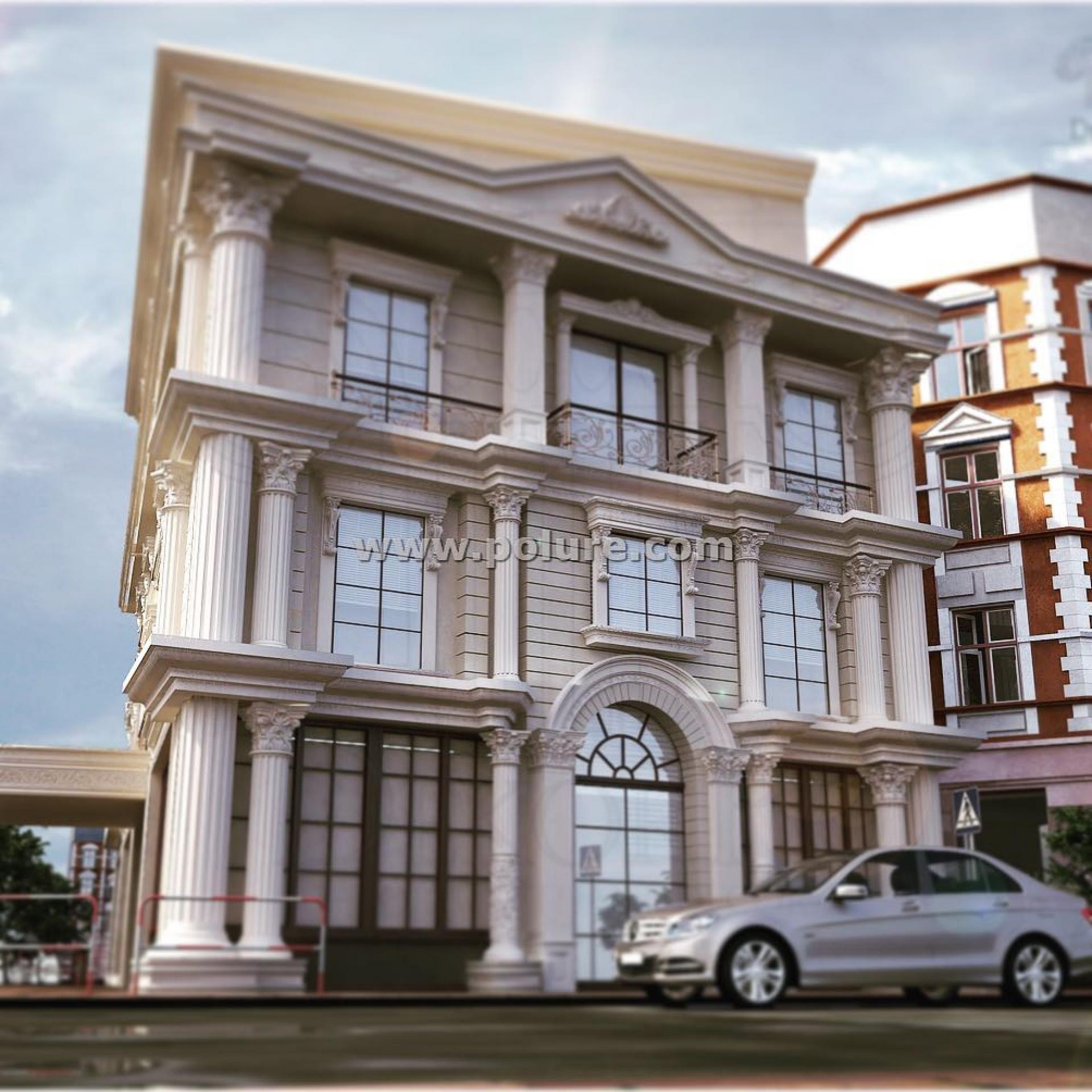

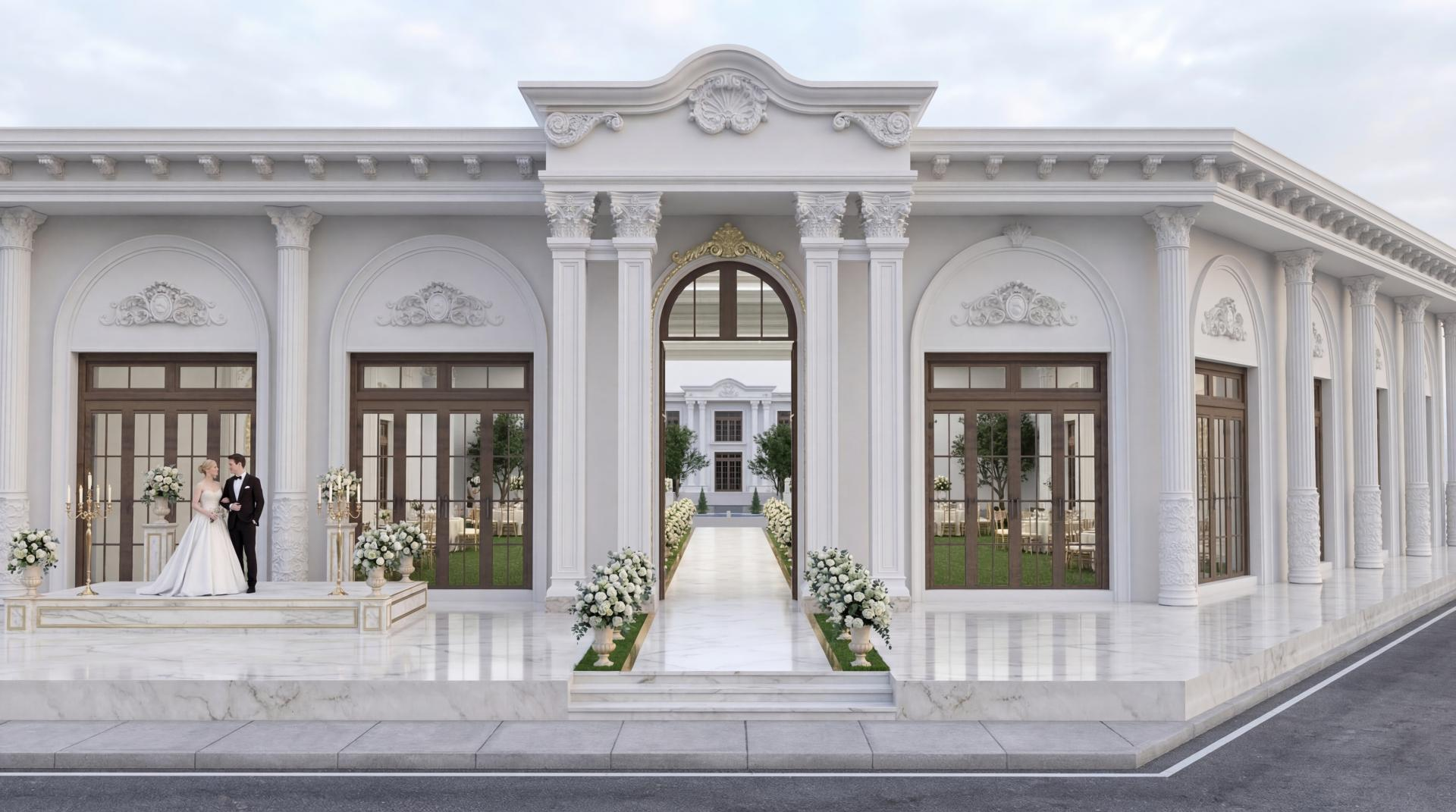
Tokat Gurme wedding hall exterior decoration
In the Tokat Gürme Wedding Hall project we modeled the halls architectural design in 3D prepared high-quality renderings and produced all polyurethane decorative products used in the project in our own facilities We managed the design and production process end-to-end offering aesthetic durable and custom-sized solutions
Product Categories
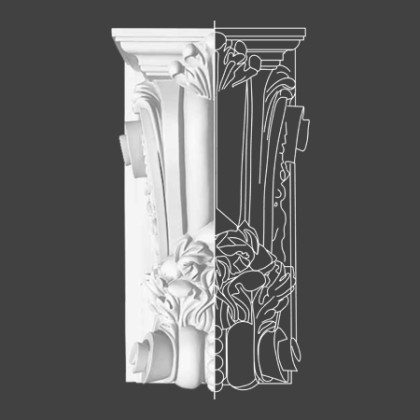
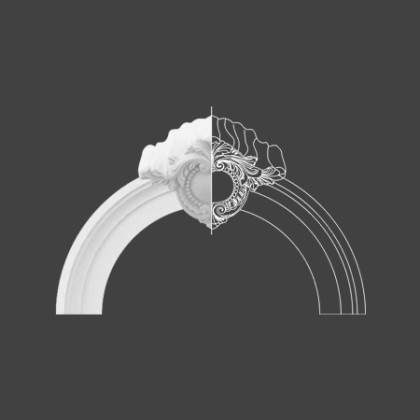
Decorative Polyurethane Crown: Production, Benefits, Applications
Polyurethane pole production: Production of the decorative polyurethane crown for the pediment Polyurethane poles have become increasingly popular in the construction industry due to their versatility, durability, and cost-effectiveness. These poles are commonly used for various applications, such as decorative crowns for pediments. In this article, we will explore the production process of the decorative polyurethane crown for the pediment, highlighting its benefits and applications. The production of the decorative polyurethane crown for the pediment involves several stages, starting with the design and mold creation. Skilled designers create intricate and detailed designs using computer-aided design (CAD) software. Once the design is finalized, a mold is created using high-quality materials, such as silicone or polyurethane rubber. The mold is carefully crafted to ensure accurate reproduction of the design. The next step in the production process is the preparation of the polyurethane mixture. Polyurethane is a versatile material that can be molded into various shapes and sizes. It is made by combining two main components - polyol and isocyanate. These components are mixed together in specific ratios to achieve the desired physical properties of the final product. The mixture is then poured into the mold, which is carefully sealed to prevent any leakage. Once the polyurethane mixture is poured into the mold, it is left to cure. Curing is a crucial step in the production process as it allows the polyurethane to solidify and take the shape of the mold. The curing time can vary depending on the size and complexity of the crown. After the curing process is complete, the mold is opened, and the newly formed polyurethane crown is carefully removed. The decorative polyurethane crown can now undergo various finishing processes to enhance its appearance and durability. These processes may include sanding, painting, and applying a protective coating. Sanding helps to smooth out any imperfections on the surface of the crown, ensuring a flawless finish. Painting can be done in a wide range of colors, allowing for customization to match the aesthetic requirements of the project. Finally, a protective coating is applied to protect the crown from weathering and UV damage, ensuring its longevity. The decorative polyurethane crown for the pediment offers numerous benefits over traditional materials such as wood or plaster. Firstly, polyurethane is highly resistant to moisture, rot, and insect damage, making it an ideal choice for exterior applications. It is also lightweight, making it easier to handle and install. Additionally, polyurethane is a cost-effective option as it requires minimal maintenance and has a long lifespan. The applications of the decorative polyurethane crown are vast. It can be used in various architectural styles, ranging from classic to contemporary. The intricate designs and details add a touch of elegance and grandeur to any building facade. The crown can be installed on pediments, archways, or any other architectural feature that requires a decorative element. It is a versatile product that can be customized to suit individual project requirements. In conclusion, the production of the decorative polyurethane crown for the pediment involves a meticulous process from design to finishing. The use of polyurethane offers numerous benefits, including durability, versatility, and cost-effectiveness. Its applications are vast, making it a popular choice among architects and builders. With its ability to replicate intricate designs and withstand harsh weather conditions, the decorative polyurethane crown is a perfect addition to any architectural project.
Information Gallery
List of detailed descriptions of images in the image gallery.


